
1. Hydration Directly Influences Cognitive Performance
International research consistently links hydration with mental clarity, concentration, and decision-making. Even mild dehydration—1 to 2 percent fluid loss—can cause:
- reduced concentration
- slower reaction times
- impaired memory
- increased fatigue
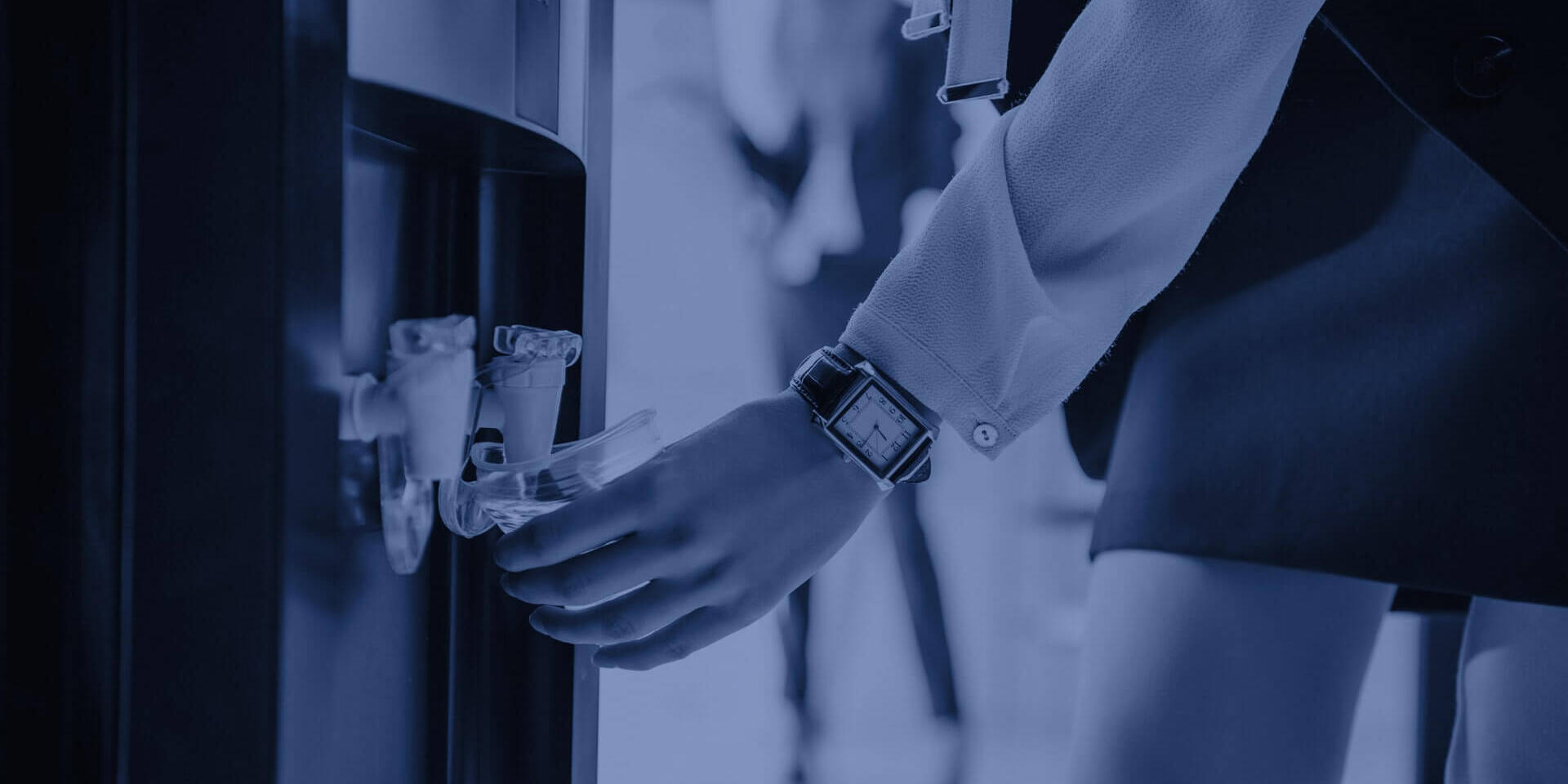
Employees who have ready access to fresh-tasting filtered water are more likely to stay hydrated throughout the day, improving workplace performance and reducing errors.
2. Wellbeing Expectations Have Shifted Globally
The modern workforce expects more from employers than a functional workspace. Health, safety, and wellbeing have become core components of the employer value proposition. As global companies such as Google, Deloitte, and Unilever expanded wellbeing programmes, access to filtered drinking water became a baseline expectation.
New Zealand businesses are increasingly applying the same principles, recognising that hydration is a low-cost, high-impact wellbeing intervention.
3. Filtered Water Improves Taste and Increases Consumption
Taste is a major driver of hydration habits. Chlorine and sediment traces in municipal water can deter employees from drinking enough throughout the day. Filtered water removes these barriers.
Studies show that when workplaces provide chilled, clean, consistently great-tasting water, staff drink significantly more. This supports:
- higher energy levels
- better mood
- reduced reliance on caffeinated or sugary drinks
- improved overall health outcomes
4. Environmental Responsibility Matters to Employees
Globally, companies are shifting away from single-use plastic bottles and toward sustainable hydration solutions. Filtered water—delivered through plumbed systems or refillable bottles—supports zero-waste objectives, reduces plastic consumption, and demonstrates genuine commitment to sustainability.
Younger employees in particular place high value on environmentally responsible employers. Filtered water solutions align directly with corporate social responsibility targets and sustainability reporting.
5. Reducing Illness and Supporting a Healthier Workforce
Access to high-quality water supports immune system function and reduces dehydration-related symptoms such as headaches and fatigue. In large organisations, where absenteeism can create operational disruption, improving hydration has a meaningful impact.
Filtered systems also reduce exposure to impurities that may be present in aging infrastructure or variable municipal supplies, offering peace of mind to staff and managers alike.
6. A Cost-Effective Wellbeing Investment
Compared to wellness programmes, fitness subscriptions, or subsidised health initiatives, providing filtered water is highly cost-effective. It requires minimal ongoing investment yet offers broad and measurable benefits across employee engagement, performance, and workplace satisfaction.
For many companies, filtered water also reduces expenditure on sugary drinks, disposable bottles, and appliance maintenance.
7. A Symbol of a Modern, People-Centric Workplace
Around the world, leading organisations use hydration stations, filtered coolers, and reusable bottle programmes as prominent symbols of workplace culture. These installations make a clear statement: employee wellbeing is a priority, not an afterthought.
In competitive labour markets—such as New Zealand’s—this can materially influence recruitment, retention, and employee perception.
Conclusion
Globally, filtered water is now regarded as an essential part of workplace wellbeing—not because it is fashionable, but because it is foundational. Hydration affects health, mental performance, energy, and long-term wellbeing. By providing clean, great-tasting filtered water, employers create healthier workplaces, reinforce sustainability commitments, and meet rising expectations from today’s workforce.
Related Posts


December 2, 2025
Why Bottled Water Delivery Is More Environmentally Friendly Than Single-Use 300ml Bottles
A new report shows that when you drink…
July 24, 2025
Why a Water Cooler is More Essential Than Ever for Kiwi Workplaces in 2025
A new report shows that when you drink…
